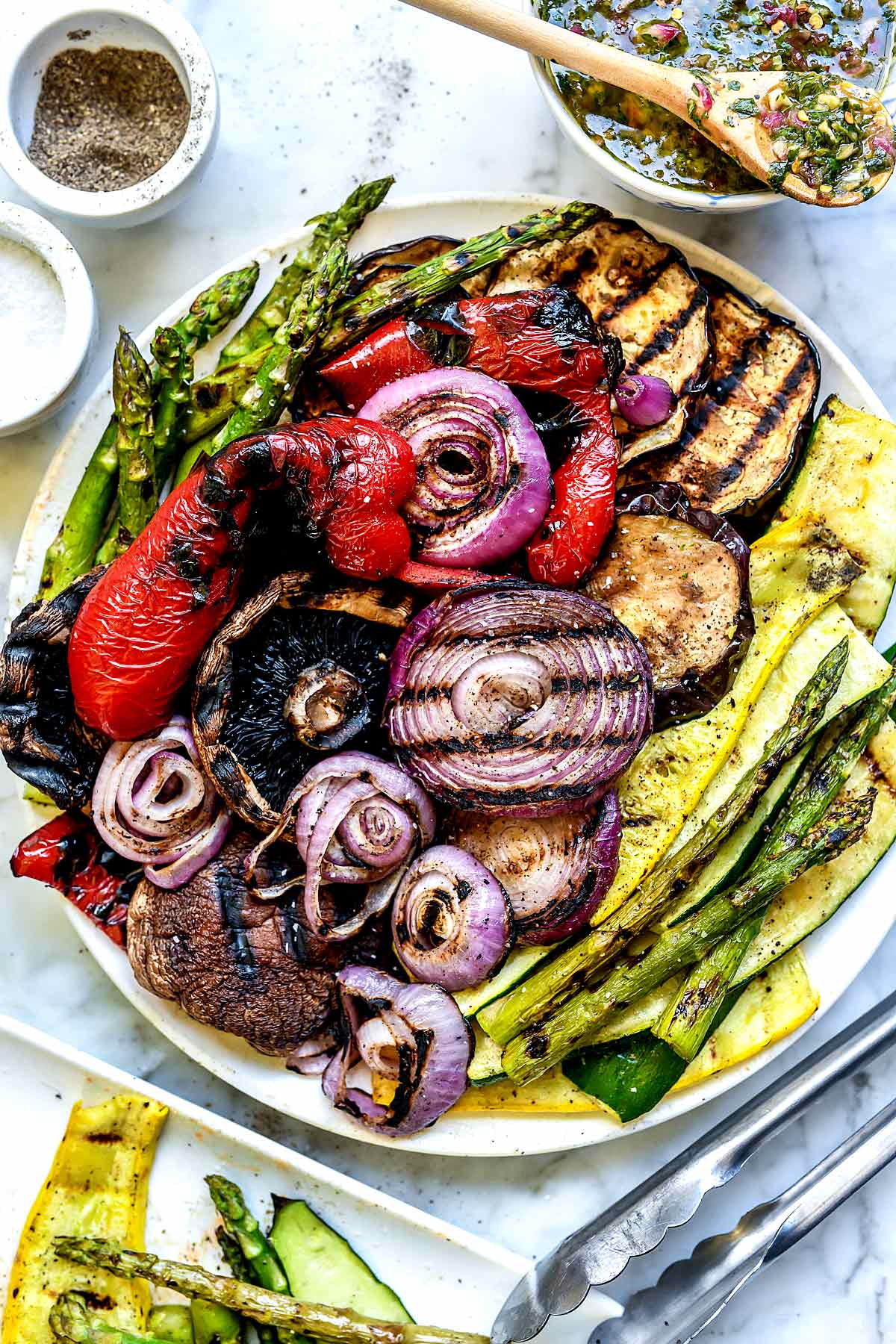
Quick & Easy Grilled Vegetables: Your Go-To Guide for Flavorful Summer Sides
There's nothing quite like the smoky aroma and sweet, tender bite of perfectly grilled vegetables. As the weather warms and the grill fires up, these vibrant, wholesome additions quickly become the stars of any meal. More than just a simple side dish, grilled veggies offer a burst of natural flavor, enhanced by the high heat and kiss of flame. They're incredibly versatile, pairing beautifully with everything from juicy steaks and grilled chicken to light salads and hearty sandwiches. Forget bland, steamed options; grilling elevates everyday produce into something truly spectacular and addictively delicious.
Why Grilled Vegetables are a Summer Staple (and Beyond!)
The magic of grilling lies in its ability to transform raw vegetables into a symphony of flavors and textures. The intense heat caramelizes their natural sugars, coaxing out a depth of sweetness that's simply unparalleled by other cooking methods. Meanwhile, the subtle char on the edges adds a desirable smoky complexity and a slight crispness that makes each bite a delight. This unique combination of smoky, sweet, and tender makes grilled vegetables a standout dish.
Beyond their incredible taste, grilled veggies are a fantastic way to boost your intake of nutrient-rich plants. They're naturally low in calories and packed with vitamins, minerals, and fiber, making them a healthy and satisfying addition to any menu. Whether you're aiming for a vibrant mezze platter, a light lunch, or a hearty dinner side, a medley of colorful, perfectly charred grilled vegetables fits the bill. And the best part? They're surprisingly simple to prepare, making them an ideal choice for busy weeknights and relaxed weekend gatherings alike.
Mastering the Prep: From Garden to Grill
The secret to exceptional grilled vegetables begins long before they hit the grates. Proper preparation ensures even cooking, maximum flavor absorption, and prevents those frustrating moments where smaller pieces slip into the coals. Think of it less as a strict recipe and more as a flexible method, allowing you to adapt to your favorite seasonal produce.
Selecting and Sizing Your Veggies for Success
When preparing vegetables for the grill, the primary goal is to ensure they cook evenly and are easy to handle. Aim for pieces that are large enough not to fall through the grill grates. If you prefer smaller, bite-sized pieces for serving, you can always chop them after they’ve cooked.
- Zucchini & Summer Squash: Slice these on the diagonal for larger surface area and a visually appealing cut. Keep slices about ½ inch thick.
- Mushrooms: Smaller button or cremini mushrooms can be grilled whole. Larger portobellos can be grilled whole or sliced thickly.
- Bell Peppers: Cut peppers top to bottom into large quarters or thirds, removing seeds and membranes.
- Asparagus: Hold each spear at both ends and bend gently; the woody, tough bottom will naturally snap off.
- Tomatoes: Smaller cherry or grape tomatoes are fantastic grilled whole (consider skewering them). Larger tomatoes like Roma or beefsteak should be cut in half or into thick slices.
- Onions: Cut into thick wedges, ensuring the root end remains intact to hold the layers together during grilling.
- Eggplant: Slice into thick rounds or planks, about ½ to ¾ inch thick.
- Harder Vegetables (Potatoes, Carrots): For denser vegetables like baby red potatoes or thick carrot sticks, a quick parboil (boiling for 5-7 minutes until slightly tender but still firm) can help them cook through more evenly on the grill without burning the exterior.
Heidi's Tip for Grilling Success: Always strive for consistency! Slice all your chosen vegetables to roughly the same thickness. This ensures they cook at a similar rate, preventing some from becoming overcooked while others remain raw.
The Magic of Marinades & Seasonings
A well-chosen marinade or seasoning blend can elevate your grilled vegetables from good to unforgettable. The simplest approach involves olive oil, salt, and pepper, which allows the natural sweetness of the vegetables to shine. However, for an extra layer of flavor, consider a light, herby marinade:
- Oil Base: A good quality olive oil is essential. It helps the seasonings adhere to the vegetables and prevents sticking on the grill.
- Flavor Enhancers: Fresh garlic (minced), lemon juice (for brightness), and a touch of butter (for richness and better char) are excellent additions.
- Herbs & Spices: A blend of dried oregano, basil, thyme, or Italian seasoning works wonderfully. Don't shy away from a generous sprinkle of sea salt and freshly ground black pepper.
For more specific flavor profiles, you can customize your seasoning mix. Think a zesty Cajun blend for a kick, savory Italian herbs for a classic taste, or a smoky Tex-Mex taco seasoning for a fiesta flair. You can find more flavorful grilled vegetable marinade secrets and serving ideas to perfectly complement any meal.
Crucial Prep Tip: Before placing your marinated veggies on the grill, give them a good shake to remove any excess liquid. This prevents drips from causing flare-ups from the coals, which can lead to burnt spots rather than a desirable char.
Grill Times & Techniques for Perfectly Grilled Vegetables
Grilling vegetables is a fast and dynamic process. Unlike meats, most veggies cook relatively quickly, and some faster than others. Staying attentive and understanding a few key techniques will yield perfectly tender-crisp results with beautiful grill marks.
The Golden Rule of Grilling: Always oil the food, not the grill grates themselves. Drizzle your prepped vegetables generously with olive oil and toss them to ensure an even coating. This creates a barrier that helps prevent sticking and promotes that desirable char.
When it comes to cooking, vegetables love direct, medium-high heat. Place your oiled veggies directly over the heat, turning them frequently with tongs to ensure even cooking and to develop those characteristic grill marks. Keep a close eye on them; the goal is tender-crisp with some lightly charred edges, not burnt.
- Quick-Cooking Veggies (5-8 minutes): Asparagus, bell peppers, zucchini, summer squash, mushrooms.
- Medium-Cooking Veggies (8-12 minutes): Onions, tomatoes (if halved), parboiled carrots.
- Slightly Longer (12-15+ minutes, especially if not parboiled): Eggplant, parboiled baby potatoes.
For smaller items like cherry tomatoes, button mushrooms, or small pieces of bell pepper, threading them onto skewers is an excellent strategy. This makes them easier to turn and prevents them from falling through the grates. If using wooden skewers, remember to soak them in water for at least 30 minutes prior to grilling to prevent them from burning.
Once your grilled vegetables reach your desired tenderness and char, remove them from the grill. A light sprinkle of fresh herbs, a squeeze of lemon, or even a dusting of Parmesan cheese or crumbled feta can add a delightful pop of flavor just before serving.
Smart Strategies for Leftovers & Reheating
One of the best things about grilled vegetables is their versatility, even after the initial meal. They make fantastic leftovers, whether enjoyed hot or cold. A smart time-saving tip is to deliberately double up your recipe. You'll thank yourself later when you have a healthy, delicious component ready for meals throughout the week.
Storage: Allow any leftover grilled veggies to cool completely before storing. Transfer them to an airtight container or a zippered bag and keep them in the refrigerator for up to 4 days. For longer storage, you can freeze them in a zippered bag for up to one month. Lay them flat in a single layer in the bag before freezing to prevent clumping, then store upright once frozen.
Reheating:
- Microwave: For a quick reheat, place them in a microwave-safe dish and heat in 30-60 second intervals until warm.
- Stovetop: Sauté in a hot pan with a tiny bit of olive oil over medium heat until warmed through and slightly crisp. This method can help revive some of their texture.
- Broiler: Spread the vegetables on a baking sheet and broil for a few minutes until heated and slightly re-charred. Keep a very close eye on them to prevent burning.
To refresh the flavors of reheated grilled vegetables, a pinch of sea salt, a drizzle of fresh olive oil, or a squeeze of lemon juice can work wonders. They’re excellent mixed into salads, tucked into sandwiches or wraps, blended into frittatas, or simply enjoyed as a standalone healthy snack.
Conclusion
Grilled vegetables truly are a culinary chameleon, offering immense flavor, incredible versatility, and a healthy boost to any meal. From the tantalizing smoky aroma that fills the air to the sweet, tender bites, they embody the essence of simple, delicious cooking. By mastering a few basic prep techniques, understanding optimal grill times, and embracing smart leftover strategies, you can effortlessly incorporate these vibrant gems into your diet all season long. So fire up that grill, experiment with your favorite seasonal produce, and savor the irresistible taste of perfectly grilled vegetables.
